Planning your wedding timeline can feel overwhelming...
How long does getting ready actually take? Should family photos happen before dinner? When do you cut the cake? And how do you fit everything into one day without feeling rushed?
If you're asking yourself those questions, you're definitely not alone.
As a wedding photographer, I've helped couples build wedding day timelines and photographed weddings from the excitement of getting ready all the way to the last dance of the night. Along the way, I've learned what tends to work really well, what usually takes longer than expected, and where a little extra breathing room can make all the difference.
So if you're staring at a blank timeline wondering where on earth to begin, don't worry—I've got you!
In this guide, I'll walk you through:
- The five main building blocks of a wedding day timeline
- How long each part of the day typically takes
- Other common wedding day events to consider (and how much time to allow for them)
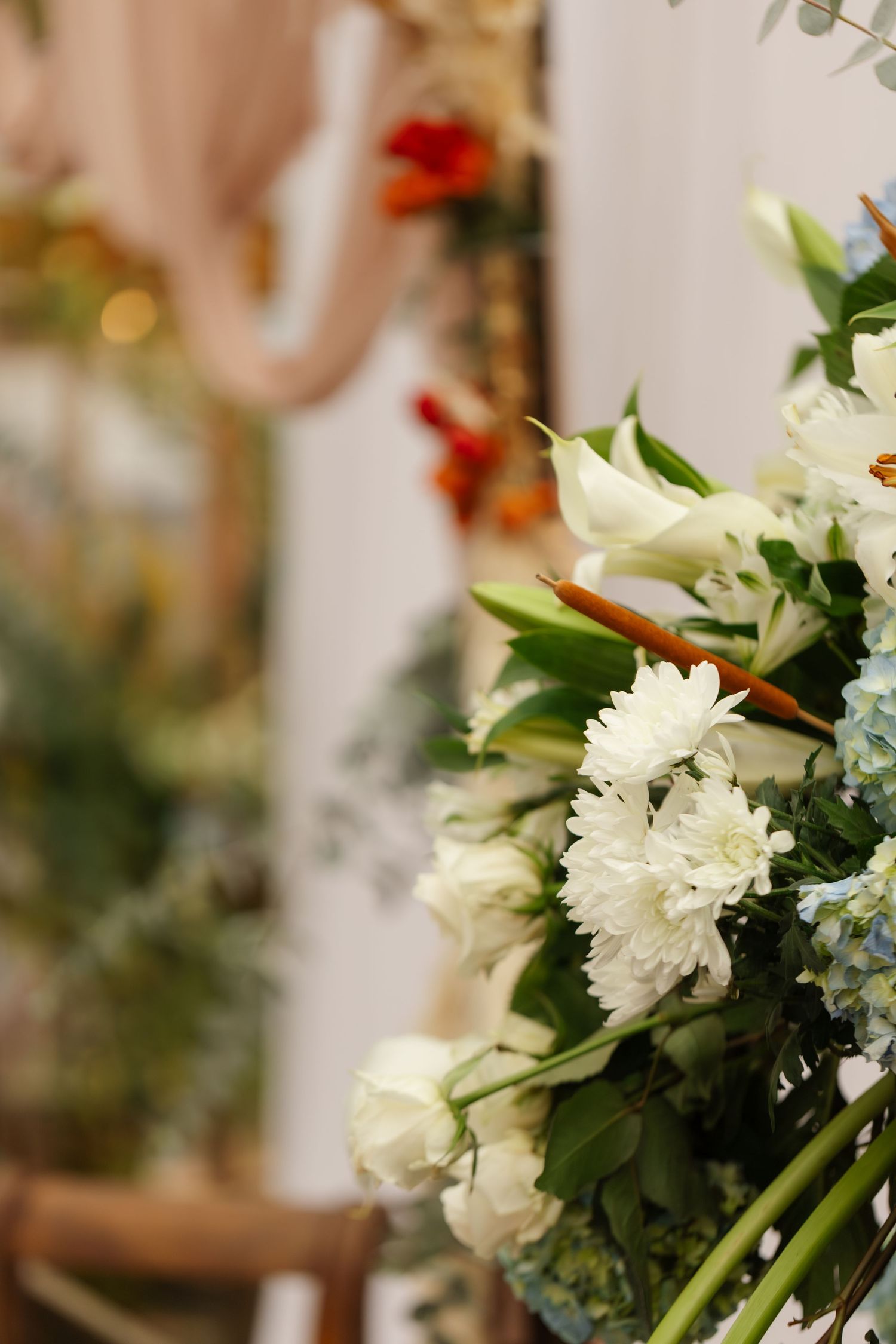
My goal isn't to tell you how your wedding day should look. Every wedding is different, and that's one of my favorite things about them! Instead, I hope this guide gives you a realistic place to start so you can build a timeline that feels relaxed, enjoyable, and completely your own.
A FEW PRINCIPLES BEFORE YOU START
Before we dive into the timeline itself, there are three simple principles that I always encourage couples to keep in mind.
Leave Yourself Some Buffer Time
Not every part of your day needs extra time built in, but sprinkling a few buffers throughout your schedule can make a huge difference.
Maybe hair and makeup runs a little behind. Will you run into traffic on the way to your ceremony from hair and makeup? Maybe your aunt asks for one more family photo.
Maybe everyone is simply having such a wonderful time together that things naturally drift a few minutes later than planned.
And that's okay!
A little breathing room allows those moments to happen without making the rest of the day feel rushed.
Don't Plan Every Minute
Here's a little secret...
I have never photographed a wedding that stayed perfectly on schedule all day long. Not once!
And you know what?
The bride and groom almost never notice.
Your wedding day is filled with hugs, laughter, happy tears, conversations, and people who are genuinely excited to celebrate with you. Those little moments are often the memories you'll treasure the most, and they're impossible to schedule down to the minute.
So don't sweat the small stuff. Stay flexible, trust your vendors, and remember that your timeline is there to guide the day—not control every second of it.
Start with the Big Five
Don't start with every element that you want to include in your wedding day. Instead, focus on these five parts of your day first:
Getting Ready
Ceremony
Portraits
Dinner
Reception
These five events make up the majority of your wedding day.
Once you've decided when these happen, fitting in the smaller moments becomes so much easier!
Now let's take a look at each one, how long it typically takes, and a few photographer-approved tips I've picked up from seeing these timelines come to life over and over again.
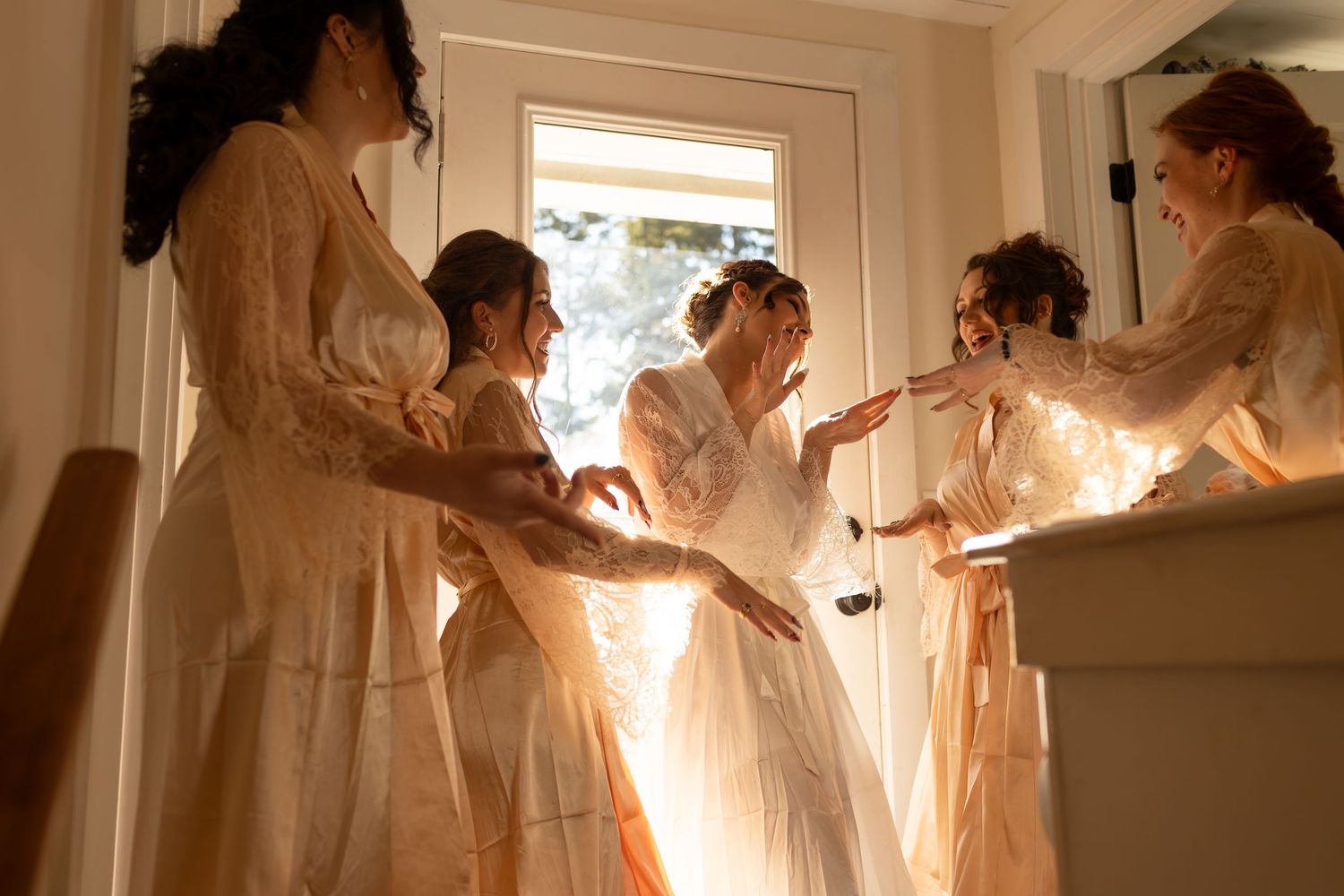
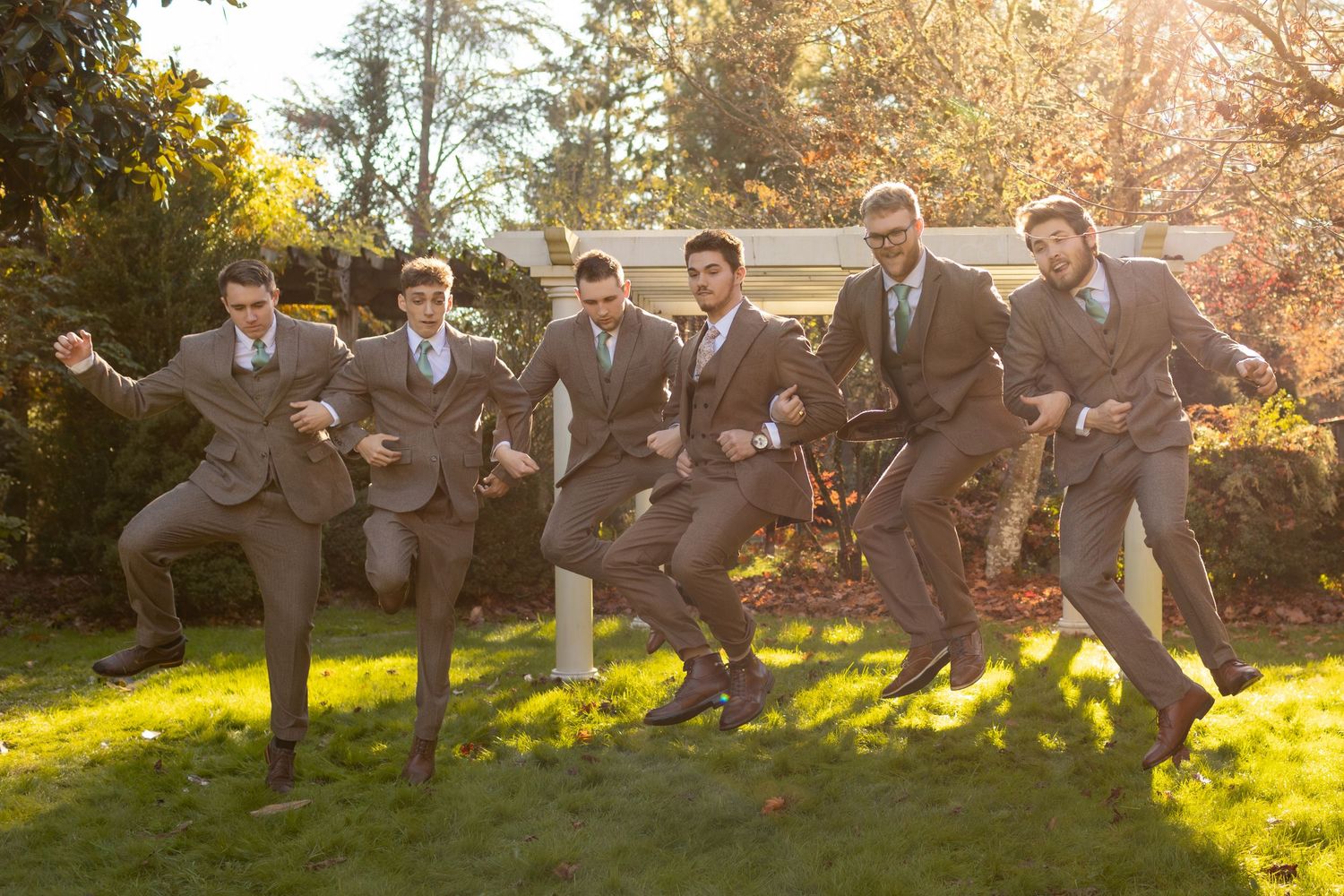
THE FOUNDATION OF YOUR WEDDING TIMELINE
Once you've got those three principles in mind, it's time to start building your timeline.
I always recommend starting with these five major events. Together, they make up the majority of your wedding day, and once they're on your schedule, fitting in everything else becomes much easier.
Think of these as the foundation of your timeline!
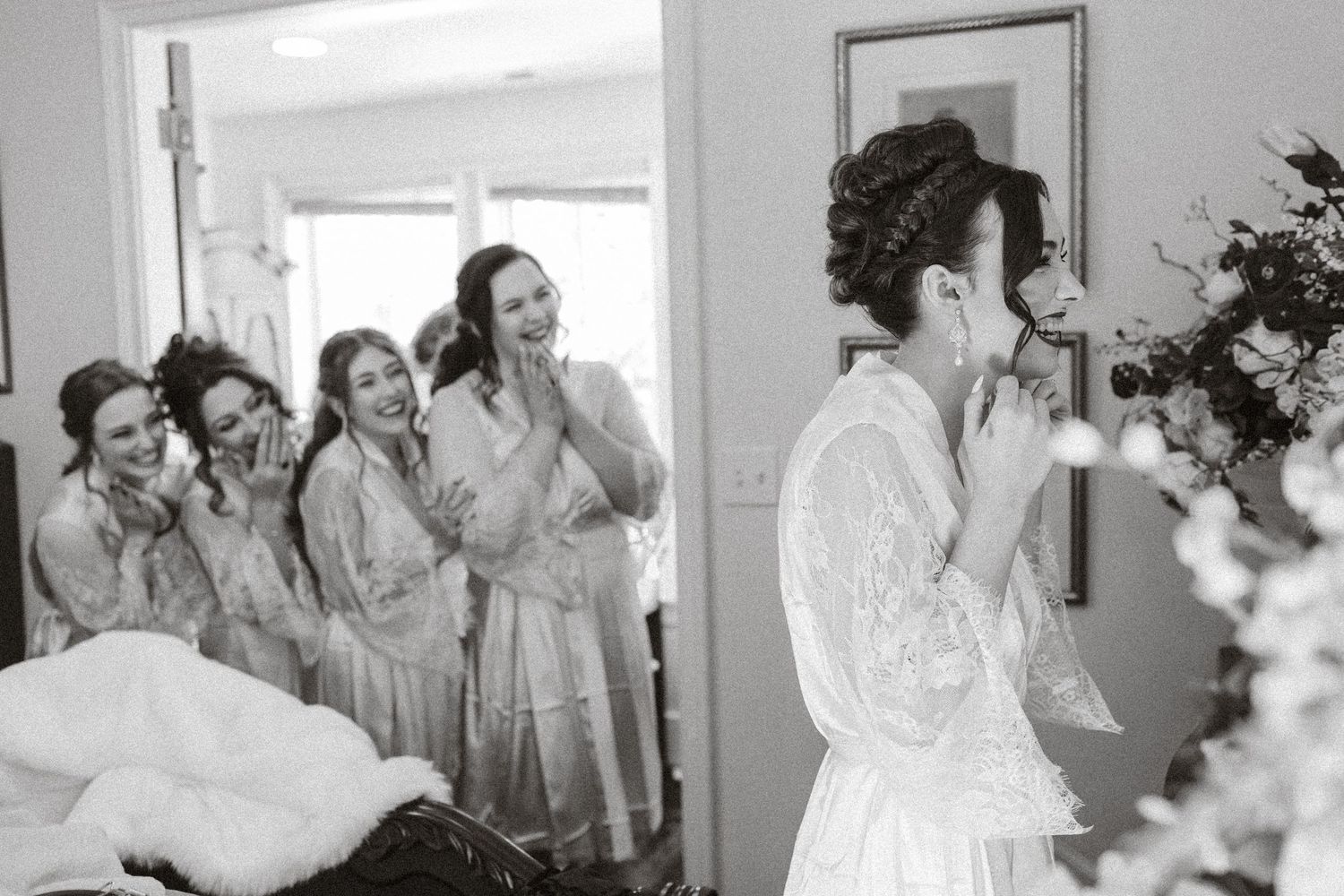
GETTING READY
AVERAGE TIME: 3+ HOURS
This is the part of the day that couples underestimate a lot.
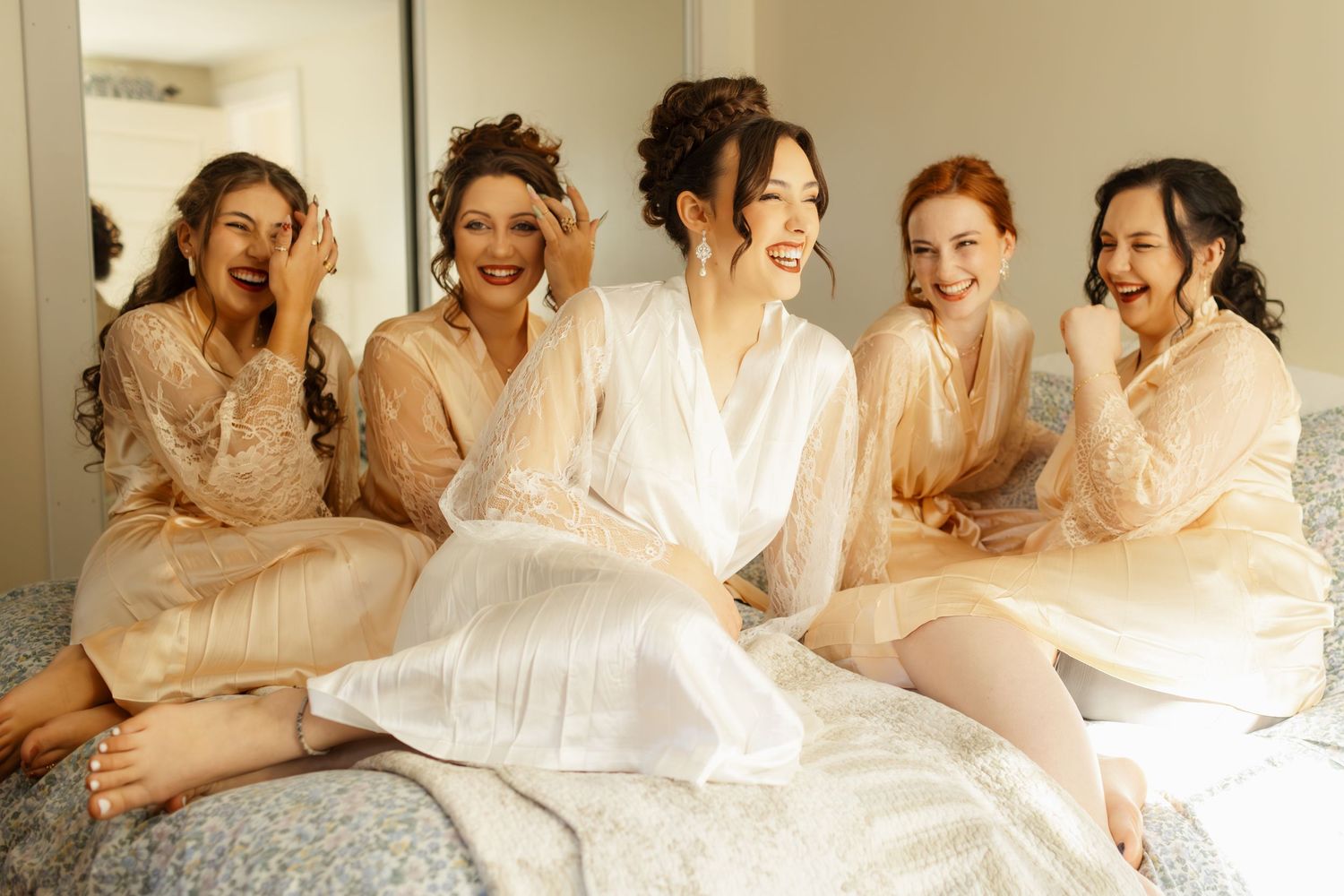
Getting ready isn't just about putting on your dress or buttoning your jacket. It's hair and makeup, helping each other get dressed, opening gifts or reading letters, enjoying a quiet morning with your favorite people, breakfast with your bridal party, and soaking in all the excitement before the ceremony.
Some of my favorite images from an entire wedding day happen during these hours!
I recommend planning for at least three hours, and even longer if you have a larger bridal party or several people having professional hair and makeup.
CEREMONY
AVERAGE TIME: 15 MINUTES
Most ceremonies are actually much shorter than couples expect.
Simple ceremonies can be over in as little as five or ten minutes, while many weddings fall somewhere around the twenty- to thirty-minute mark. If you're including religious traditions, cultural customs, communion, multiple readings, or other special elements, you'll want to allow extra time.
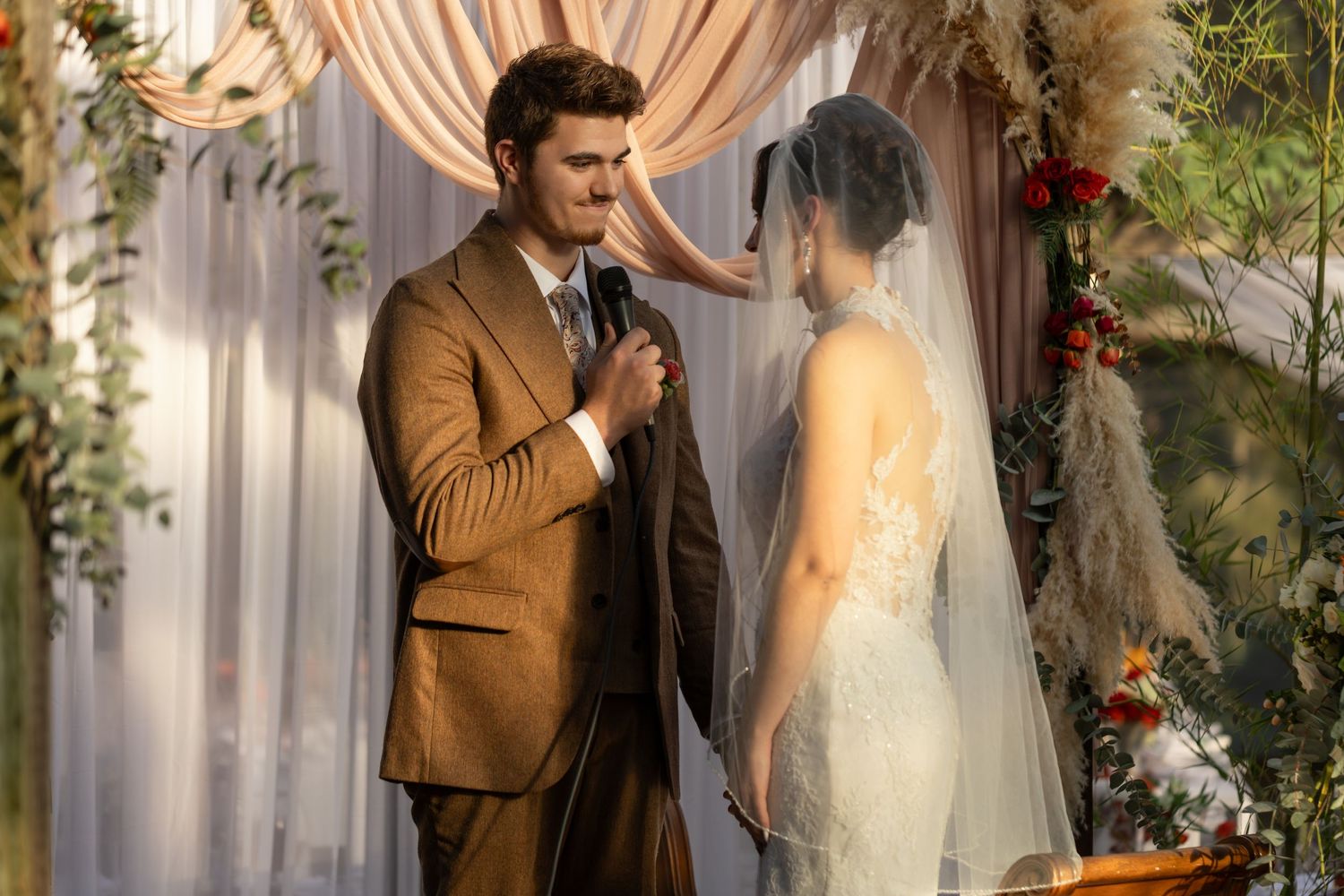
One little piece of photographer-approved advice: if you have the flexibility, I recommend aiming for a ceremony that's around 15 minutes long (with about 10 minutes as the absolute minimum).
Why?
There are a lot of meaningful moments happening during your ceremony, and your photographer is constantly moving to capture them all. During those few minutes, we're photographing the two of you, your guests, emotional reactions from your parents and grandparents, wide shots of the entire ceremony, close-up details, your vows, the ring exchange, and—of course—the first kiss!
That's a lot to fit into just a few minutes.
Giving your photographer a little extra time means we can move thoughtfully between those moments instead of rushing from one to the next, helping ensure you receive a fuller, more complete story of one of the most meaningful parts of your wedding day.
FAMILY PORTRAITS
AVERAGE TIME: UP TO 1 HOUR
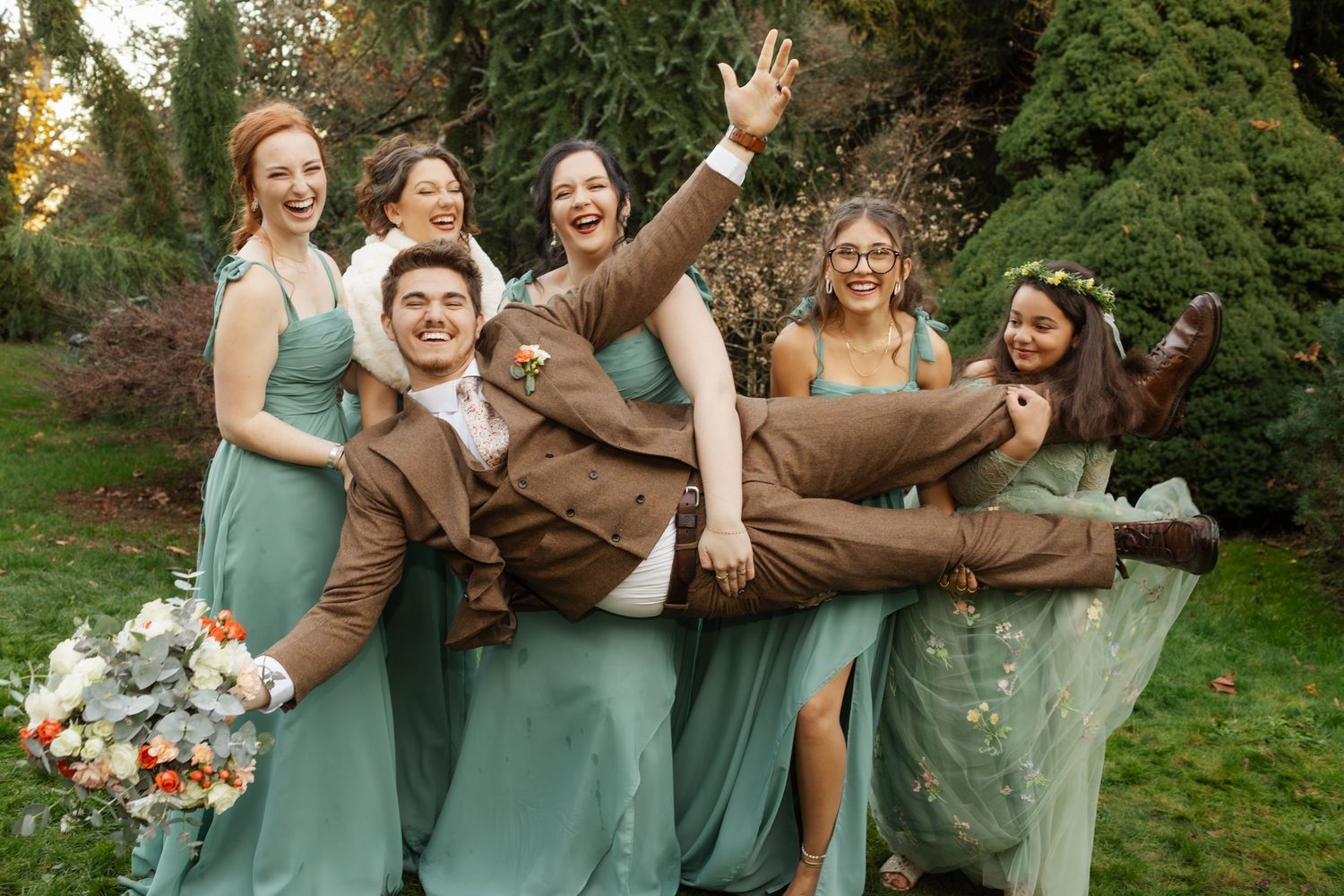
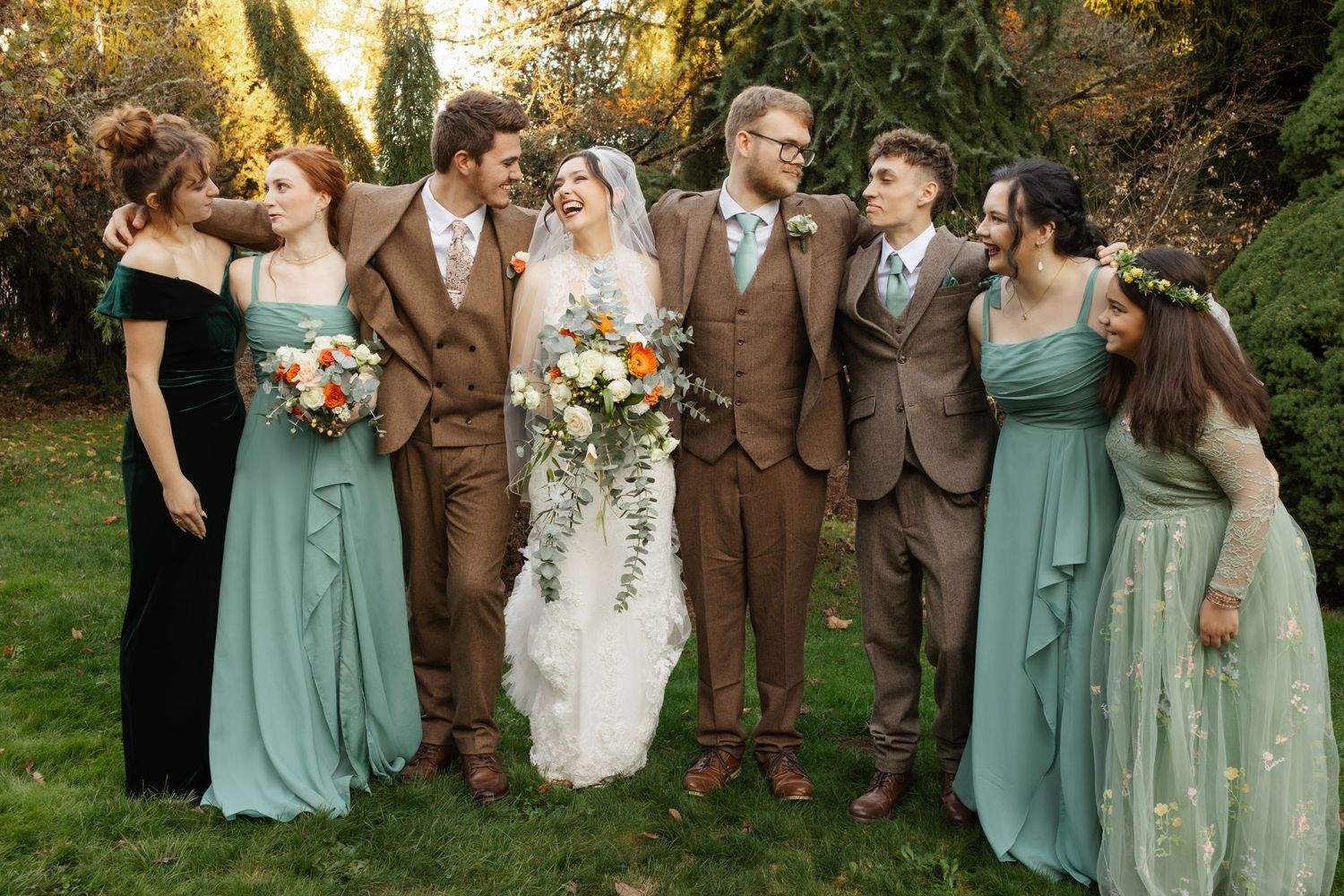
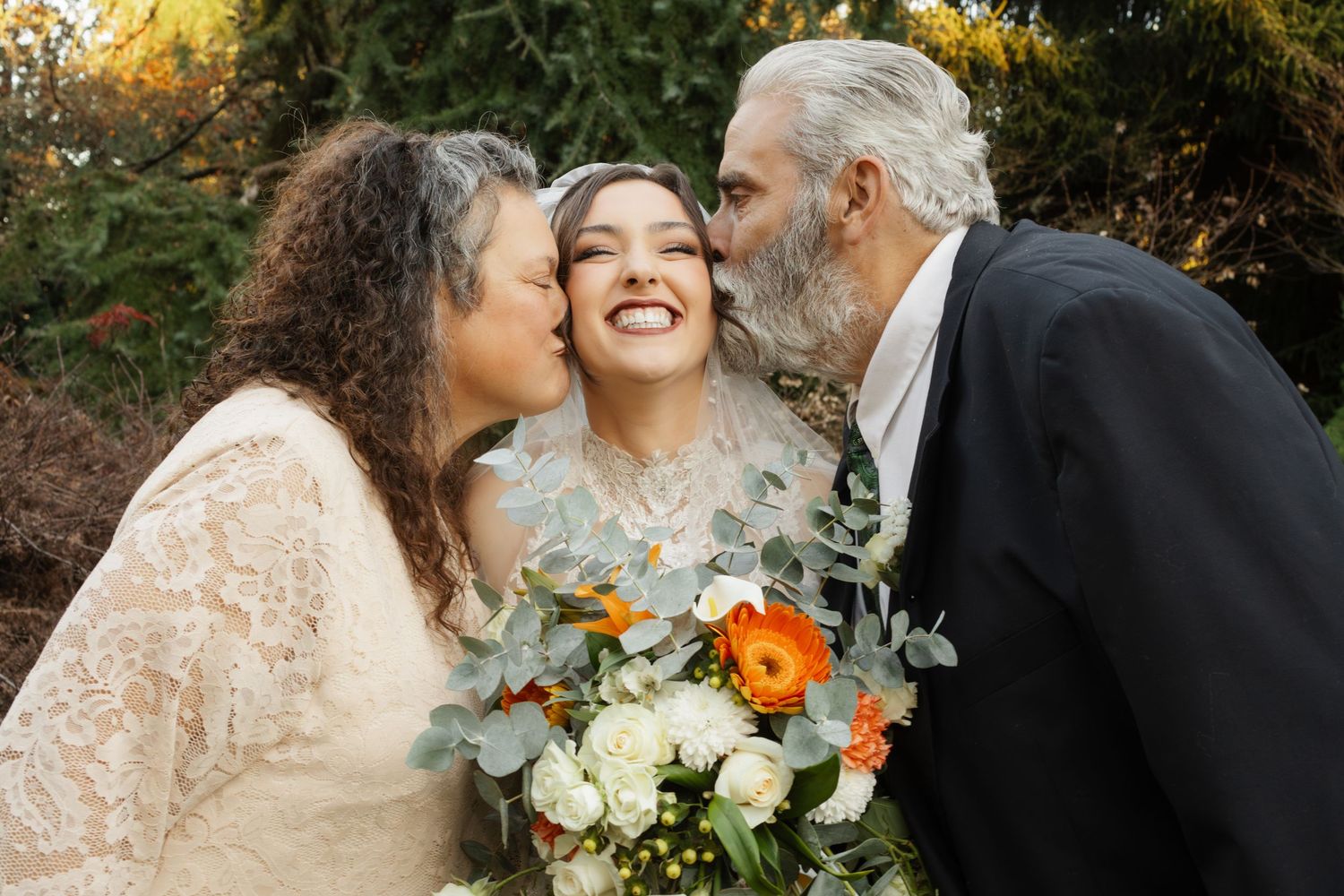
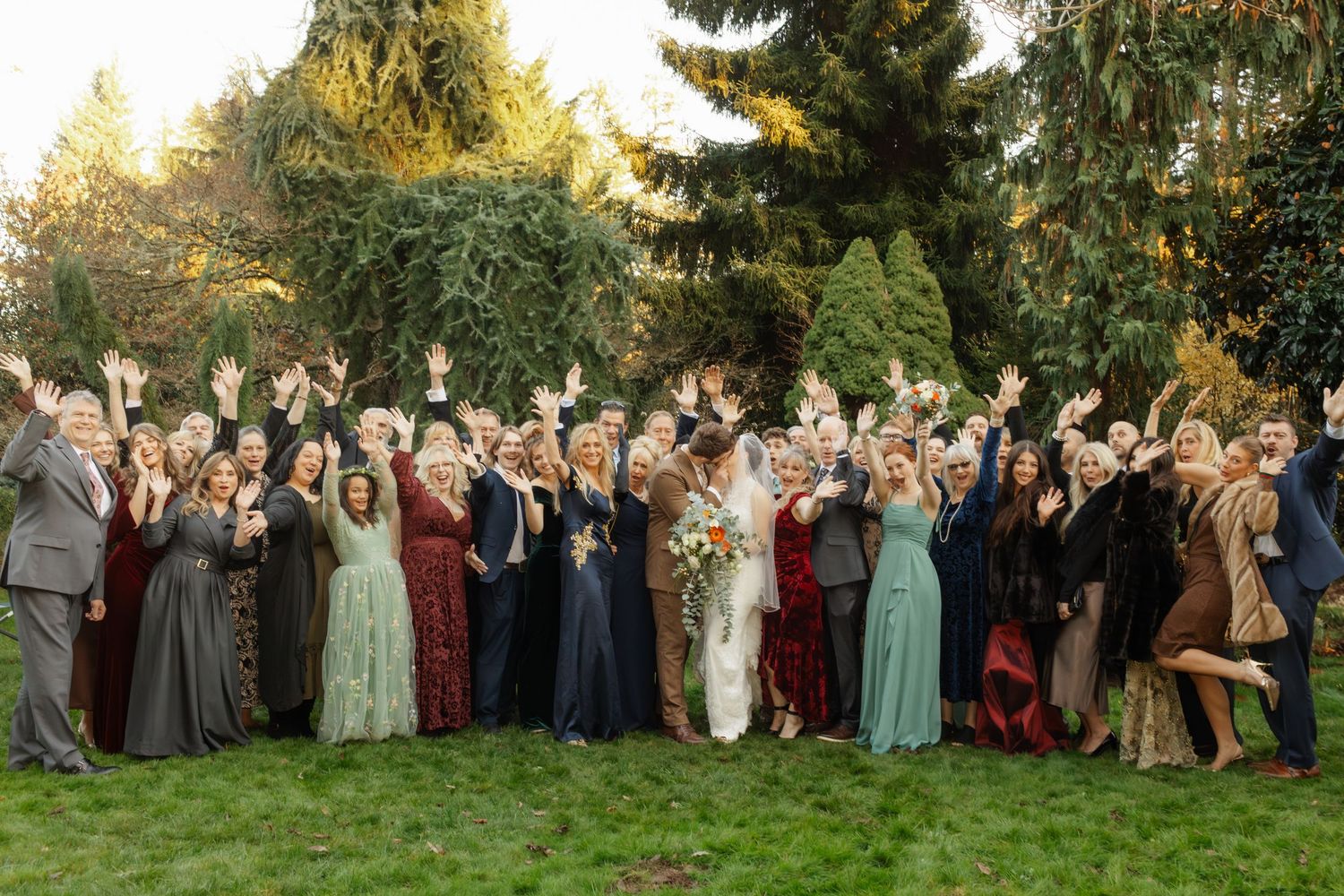
This is when we'll photograph the two of you, your wedding party, and your family.
I work hard to keep portraits moving efficiently, and I always aim to finish everything within an hour whenever possible. The more family combinations you'd like, the more time we'll need, but a little planning ahead goes a long way!
One of the biggest time-stealers during portrait hour isn't actually taking the photos—it's finding people.
Someone is in the restroom. Someone had to grab something from their car. Someone ran to grab a drink. Someone is catching up with relatives they haven't seen in years...
It happens at every wedding!
One of the best things you can do is choose a trusted friend, sibling, or coordinator who knows your family well to help gather people for portraits. They'll know who belongs where, can help round everyone up, and keep things moving smoothly while I focus on creating beautiful images.
If you know ahead of time that you'll want lots of extended family combinations, it's also a great idea to create a family photo list before your wedding day. Not only does this help make sure no important group is forgotten, but it also keeps portrait time organized and efficient so everyone can get back to celebrating sooner.
Another tip that can make a huge difference is to let everyone know ahead of time if they'll be included in family portraits. Before the wedding day, tell them where you'd like them to meet immediately after the ceremony. When everyone knows they're expected for photos and already has a meeting spot in mind, it makes portrait hour so much smoother and helps everyone head in the right direction without confusion.
Photographer Tip: Plan on it taking at least 10 minutes just to gather everyone together for portraits. Even with a great helper, people naturally spread out after the ceremony—and honestly, that's a wonderful sign that they're enjoying the day! Building that little bit of extra time into your timeline means you won't feel rushed if it takes a few extra minutes to get everyone in the right place.
MEAL TIME
AVERAGE TIME: 45 MINUTES
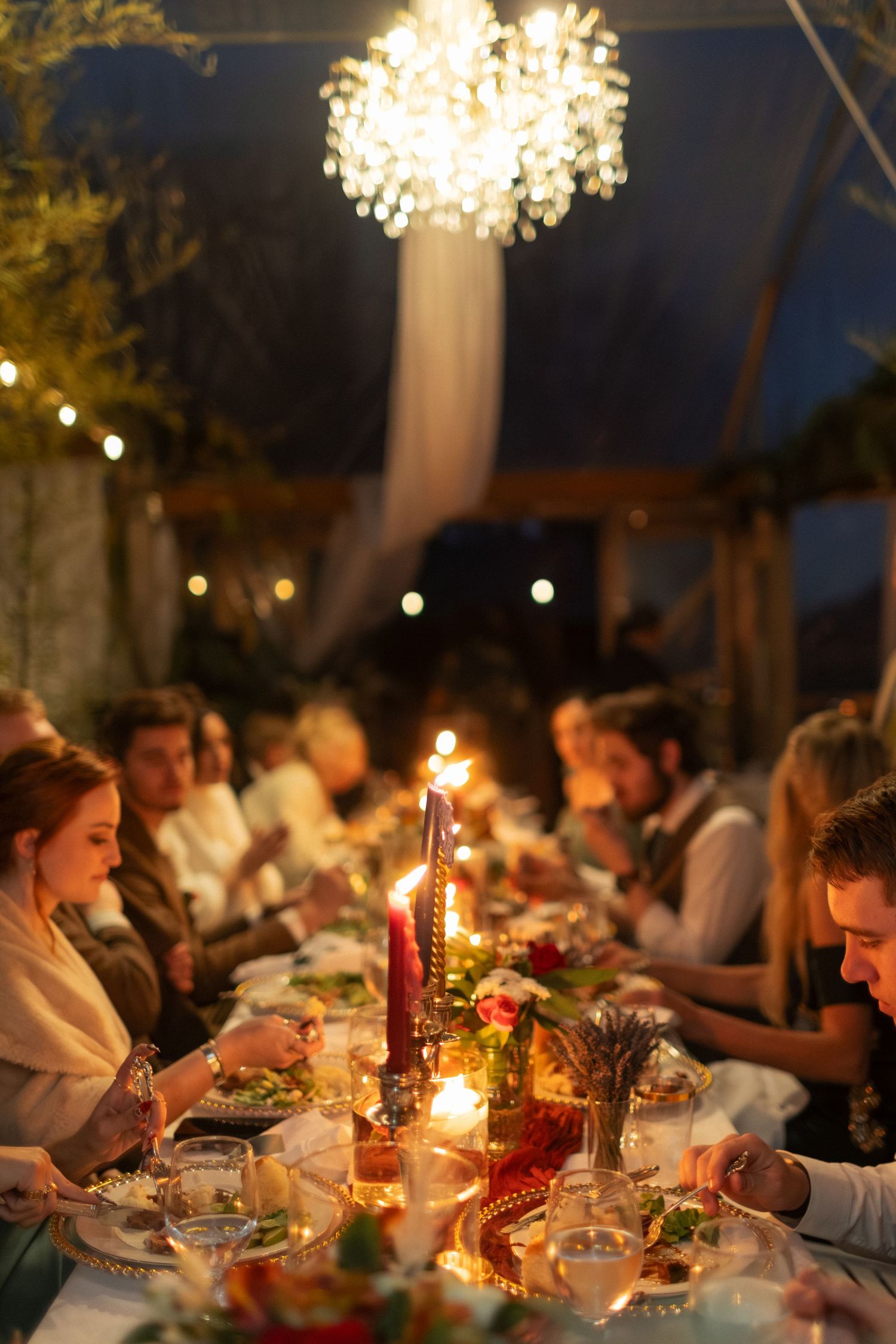
The mealtime is usually a welcome chance for everyone to slow down and catch their breath.
After the excitement of the ceremony and portraits, guests finally have a chance to sit down, enjoy a good meal, and spend time talking with one another.
Even after everyone is seated, it takes time for guests to be served, enjoy their food, chat with the people around them, and simply relax for a little while. I generally recommend planning 30–45 minutes for a traditional sit-down meal.
By around the 45-minute mark, you'll usually notice most people have finished their plates and naturally start mingling again. That's often a great time to transition into the next events of the evening.
If you're planning a buffet, family-style dinner, or food trucks, you may want to allow a little extra time depending on your guest count and how your meal will be served.
RECEPION & First Dances, and more!
AVERAGE TIME: 2+ hOURS
Now comes the celebration!
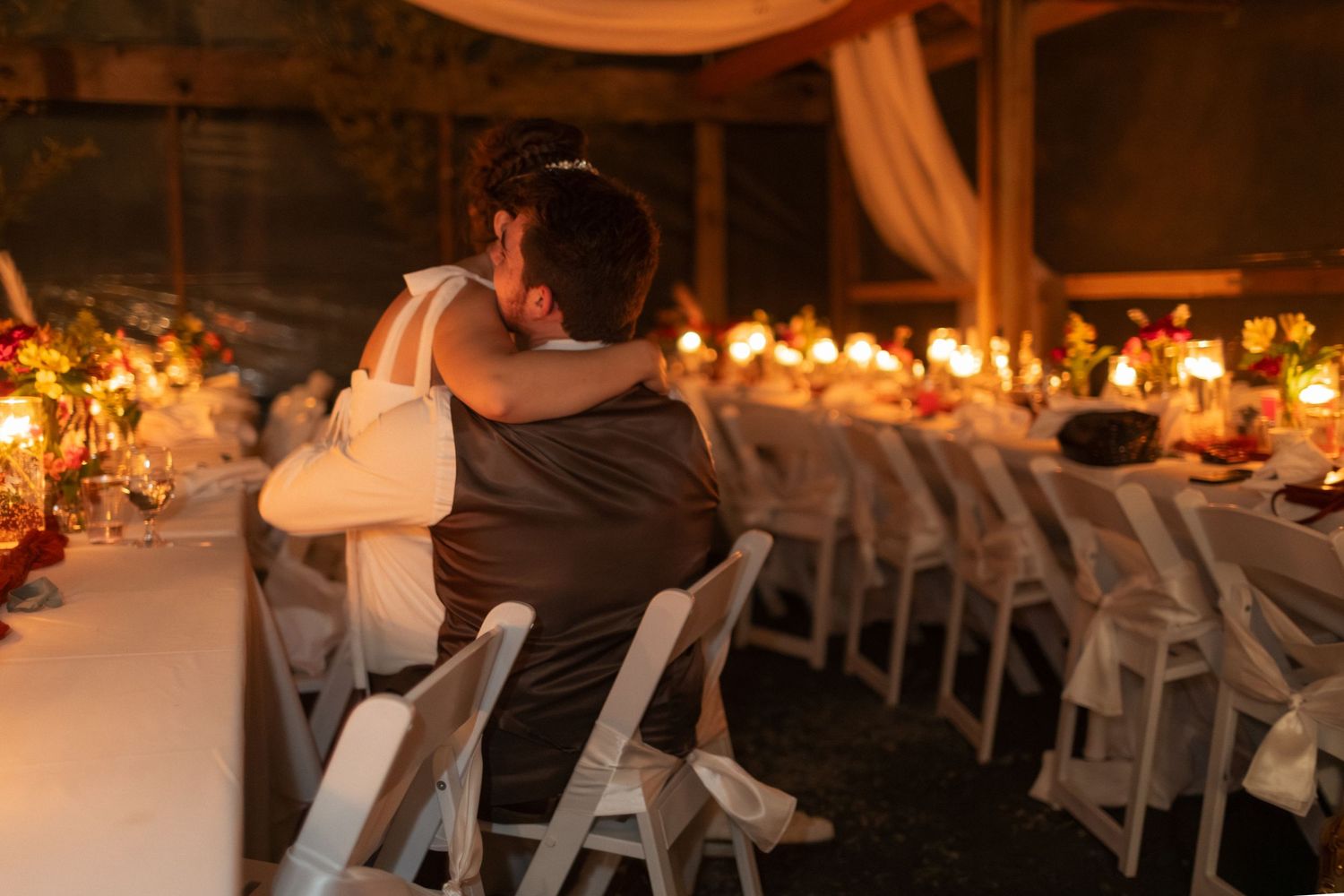
This is the least structured part of the day, and it's where you have the most freedom to make your wedding uniquely yours. While every reception looks a little different, there are a handful of moments that many couples choose to include.
Some popular reception activities include:
- Cake cutting
- Toasts (Often immediately following dinner)
- First dance
- Sunset portraits
- Open dancing
- A receiving line or photo line to greet guests
- A photo dash (much faster and more fun alternative to the photo line, ask me how to do it!)
- Bouquet or garter toss
- Lawn games or other guest activities
- A sparkler or bubble exit to end the evening
Cake cutting is one of the quickest events of the night, usually taking less than 5 minutes. One little tip I always give my couples is to cut the cake, have someone hand you each a slice, and then let a trusted friend, family member, or caterer continue serving the rest. That way, you can get right back to celebrating instead of spending twenty minutes cutting cake for everyone else!
Your first dance is another short but memorable part of the evening, usually lasting just 3–5 minutes, but is easy to gauge because it's tied to the song you're going to dance to.
After that, it's time to open the dance floor and let everyone enjoy the celebration! If dancing is important to you, I'd recommend planning for at least two hours of open dancing. It gives guests plenty of time to relax, have fun, and create some of the most joyful memories of the entire day.
And remember—you don't have to include every tradition. If there's something you've never really connected with, it's perfectly okay to skip it and spend that time doing something you'll enjoy more. Your wedding day should feel like your celebration.
OTHER WEDDING DAY EVENTS TO CONSIDER
Not every wedding includes all of these, and that's completely okay! Think of this as a menu of common wedding day events. If you're including any of them, here are some general time recommendations to help with your planning. These times are meant to be averages & completely flexible!
Venue & detail photos: 20–30 minutes
First look: 15–20 minutes
Private vows, letter, or gift exchange: 10–20 minutes
Travel between locations: Varies (always include extra buffer time!)
Cocktail hour: 45–60 minutes
Receiving line or photo line: 20–40 minutes (depending on guest count)
Photo dash: 5 minutes (depending on guest count and chosen song)
Grand entrance: 5–10 minutes
Toasts & speeches: About 5 minutes per speaker
Cake cutting: Under 5 minutes
Sunset portraits: 10–20 minutes
Bouquet or garter toss: 5 minutes
Lawn games or guest activities: Flexible
Private last dance: 5 minutes
Sparkler, bubble, or ribbon exit: 15–20 minutes
One Last Thought
If there's one thing I hope you take away from this guide, it's that your wedding timeline doesn't have to be perfect.
It's there to give your day structure, create breathing room, and help you spend less time worrying about the clock and more time enjoying the people around you.
Use these timing recommendations as a starting point, then build a day that feels like you. Keep the traditions you love, skip the ones you don't, and don't be afraid to leave a little room for the unexpected—those moments often become some of the sweetest memories!
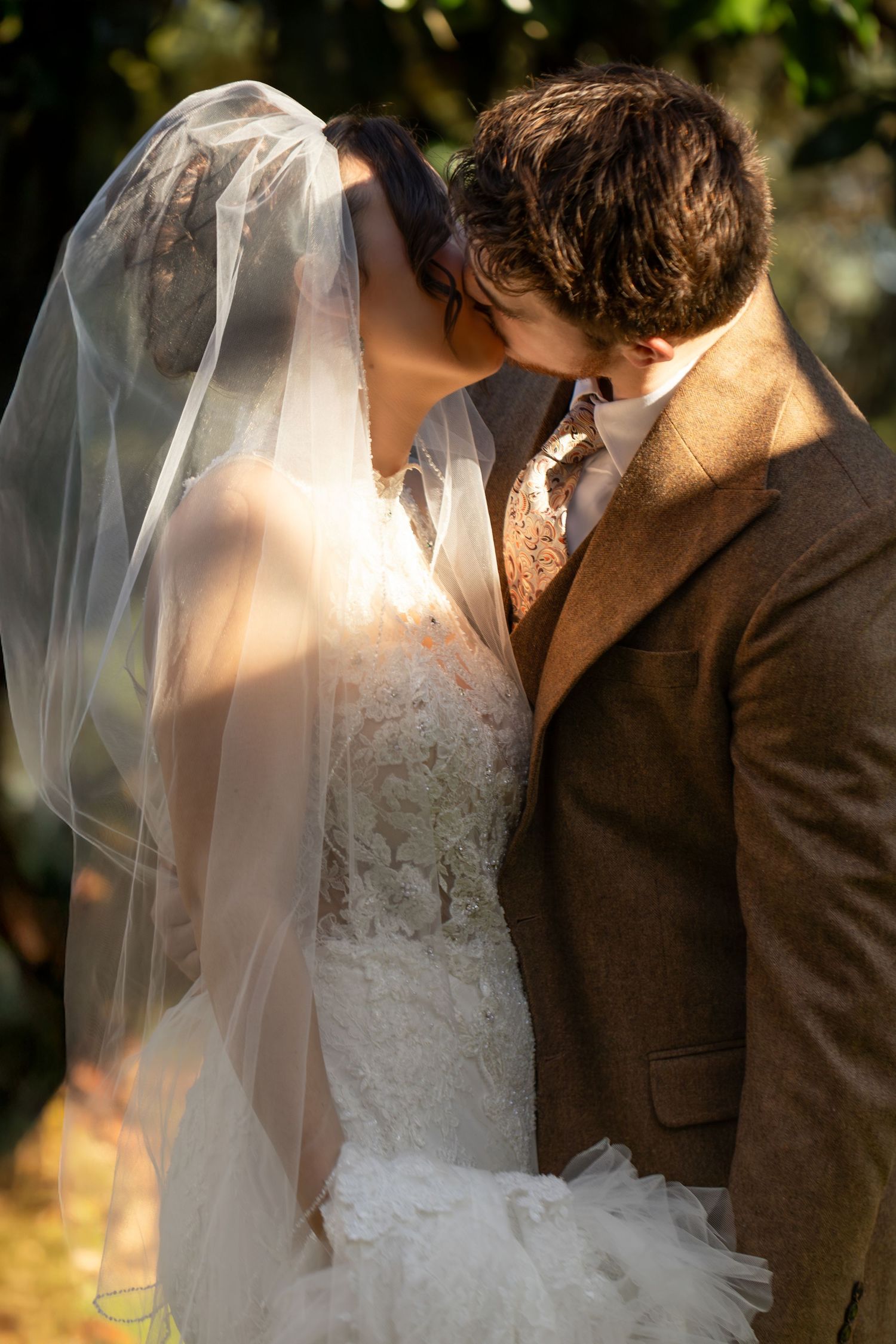
And if you're one of my couples, you don't have to figure all of this out on your own! Timeline planning is part of the wedding photography experience, and we'll work together before your wedding to make sure there's plenty of time for the moments and photos that matter most to you—without making your day feel like one long photoshoot.
And if you're still looking for a photographer, I'd love to hear what you're planning! You can take a peek at my wedding photography experience and packages, or reach out and tell me a little about your day.
The best timelines leave a little room to breathe, soak it all in, and actually enjoy your wedding day as it unfolds.